کد آیتم: STO-ITEM-2024-00044
ارسال فوری
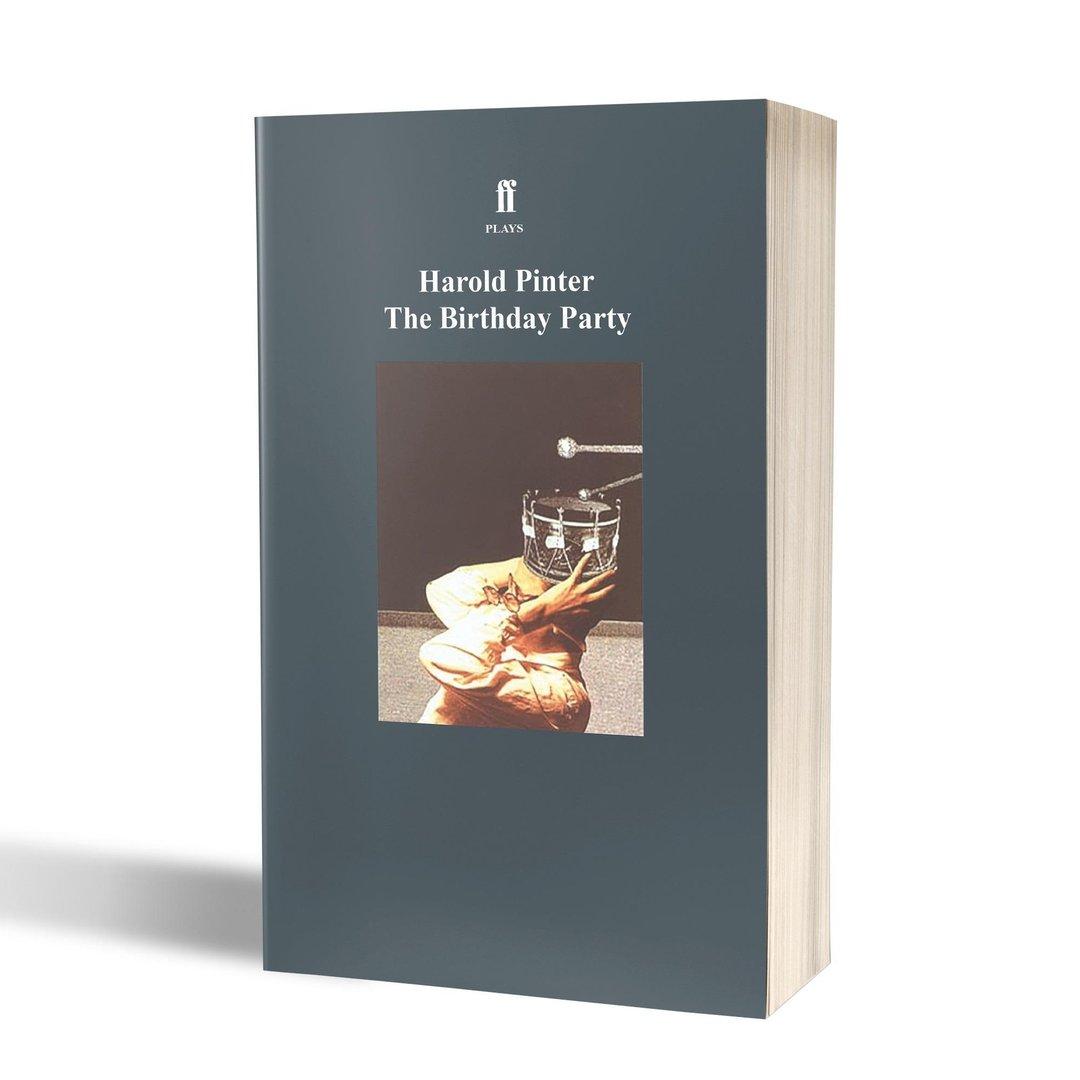
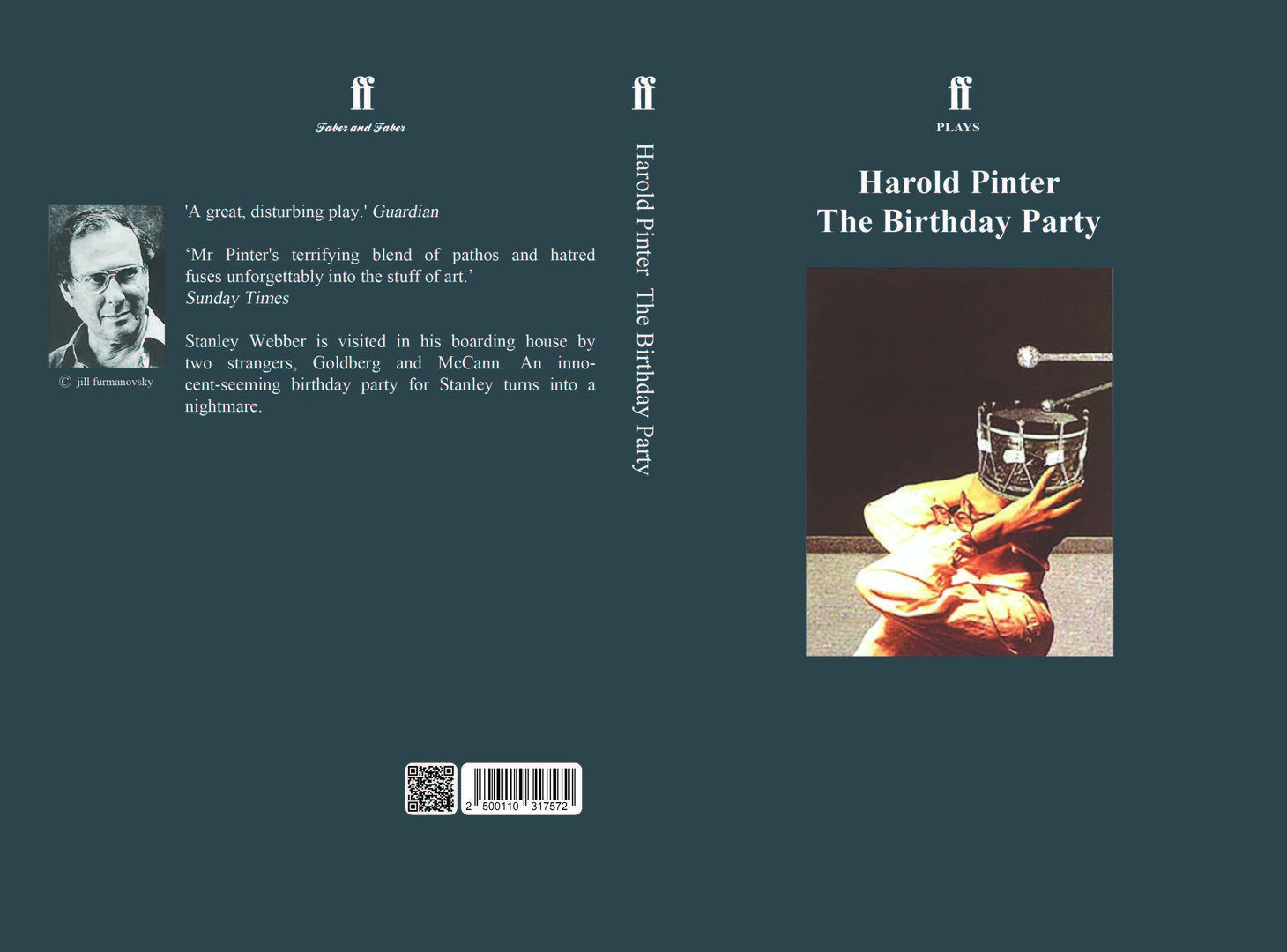
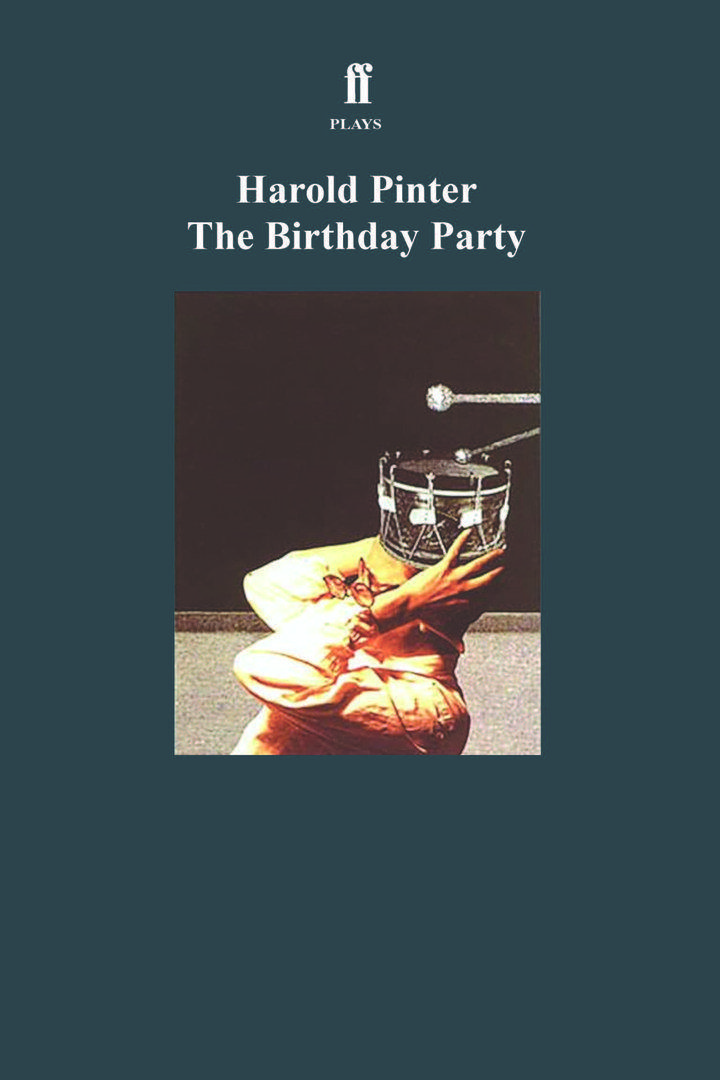
معرفی نمایشنامهی The Birthday Party (نمایشنامه جشن تولد) – هارولد پینتر
سکوت، ترس، و حقیقتی نامعلوم
نمایشنامهی جشن تولد (The Birthday Party) از مهمترین آثار هارولد پینتر، نمایشنامهنویس سرشناس بریتانیایی و برندهی نوبل ادبیات است. این اثر از نخستین نمونههای نمایشنامههای مدرن بهشمار میآید که مرز میان واقعیت، کابوس، طنز و تهدید را از میان برمیدارد. نمایشنامهی جشن تولد نمونهی شاخصی از سبک خاص پینتر است—سبکی که بعدها با اصطلاحهایی مانند «طنز پینتری» و «تهدید پینتری» شناخته شد.
نمایشنامهی جشن تولد دربارهی چیست؟
رویدادهای این نمایشنامه در یک خانهی مهمانپذیر کهنه در شهری ساحلی در بریتانیا میگذرد. زوجی میانسال به نامهای مگ و پتی صاحب این خانهاند. تنها مهمانشان مردیست بهنام استنلی وبر؛ فردی گوشهگیر، عبوس و رازآلود که گذشتهاش روشن نیست.
روزی، دو مرد ناشناس به نامهای گلدبرگ و مککان وارد خانه میشوند. آنها ادعا میکنند برای برگزاری جشن تولد استنلی آمدهاند، اما در رفتار و گفتارشان چیزی ناآرامکننده وجود دارد. با پرسشهای بیپاسخ، نگاههای سنگین و سکوتهای تهدیدآمیز، آرامآرام استنلی را زیر فشار روانی شدیدی قرار میدهند. او رفتهرفته کنترل خود را از دست میدهد و در آستانهی فروپاشی ذهنی قرار میگیرد.
نمایشنامه The Birthday Party هرگز توضیح روشنی دربارهی هویت یا هدف این دو مرد نمیدهد. آیا آنها مأمور دولتیاند؟ آیا گذشتهی استنلی حاوی رازی خطرناک است؟ یا همهچیز تنها کابوسی بیپایان است؟ این ابهام، بخش اصلی فضای اثر را شکل میدهد.
موضوعات اصلی نمایشنامه The Birthday Party
- تهدید پنهان در دل زندگی روزمره: هنگامی که ترس نه از حادثهای خاص، بلکه از خودِ عادیترین چیزها برمیخیزد.
- بحران هویت و سلطه: نمایش فرایند فروپاشی ارادهی فردی در برابر نیروهایی ناشناخته.
- سکوت بهعنوان ابزار ترس: در این نمایش، گاه آنچه گفته نمیشود، از آنچه گفته میشود، ترسناکتر است.
- قدرت بیفریاد: خشونتی که نه از راه فریاد یا زور، بلکه از راه نگاه، مکث و سکوت اعمال میشود.
- پوچی و بیمعنایی: نبود حقیقت نهایی، نبود توضیح روشن، و تنهایی انسان در جهانی ناپایدار.
هارولد پینتر (Harold Pinter) نویسنده نمایشنامه The Birthday Party کیست؟
هارولد پینتر (۲۰۰۸–۱۹۳۰) نمایشنامهنویس، شاعر، فیلمنامهنویس و کارگردان بریتانیاییست که در سال ۲۰۰۵ جایزهی نوبل ادبیات را دریافت کرد. او با نمایشنامههایی چون خائن، بازگشت به خانه و اتاق به یکی از تأثیرگذارترین چهرههای درام مدرن بدل شد.
ویژگی بارز آثار پینتر استفاده از سکوت، گفتوگوهای ناتمام، فضای تهدیدآمیز و شخصیتهاییست که چیزی را پنهان میکنند. در نمایشنامههای او، زبان نه ابزاری برای بیان حقیقت، بلکه پردهای برای پنهانسازی آن است.
خرید نمایشنامهی The Birthday Party به چه کسانی پیشنهاد میشود؟
اگر شما:
- به نمایشنامههای مدرن، مینیمالیستی و چندلایه علاقه دارید
- از فضای رازآلود و پرتعلیق آثار نویسندگانی چون بکت یا یونسکو لذت میبرید
- به روانشناسی شخصیت و فروپاشی ذهنی در ادبیات نمایشی توجه دارید
- و تمایل دارید متنی بخوانید که ذهن شما را درگیر پرسش و تفسیر کند
- جشن تولد یکی از گزینههای برجسته در تئاتر معاصر است.
خرید نمایشنامهی جشن تولد به چه کسانی پیشنهاد نمیشود؟
اگر ترجیح میدهید نمایشنامهای با خط داستانی روشن، پایانی مشخص، شخصیتهایی قابلاعتماد و معناهایی بیابهام بخوانید، ممکن است جشن تولد برایتان مبهم یا حتی ناخوشایند باشد. این نمایشنامه همانند رؤیایی ناآرام است، پر از نشانه، اما بیپاسخ.
ناشر نمایشنامهی جشن تولد
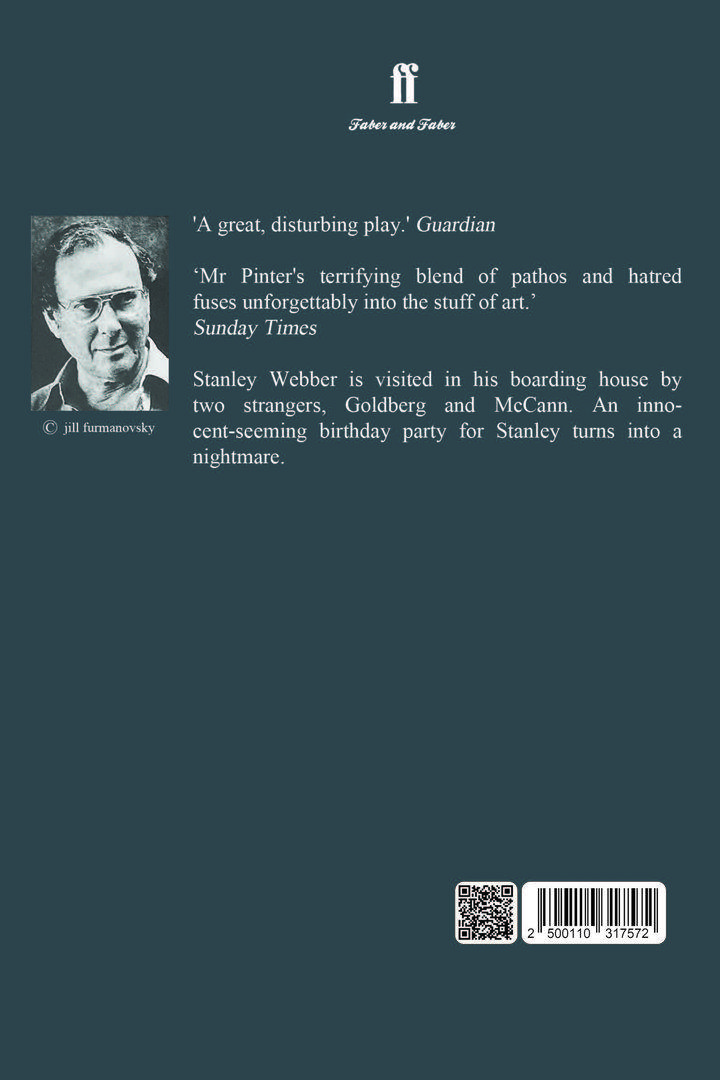
نمایشنامهی The Birthday Party در سال ۱۹۵۷ نوشته شد و نخستینبار در سال ۱۹۵۸ در تئاتر هامرشمیث لندن اجرا شد. هرچند اجرای نخست با استقبال روبهرو نشد، اما با گذر زمان و بهویژه پس از نقد مثبت هارولد هابسون (منتقد روزنامهی تایمز)، جایگاه خود را در تاریخ تئاتر تثبیت کرد. نسخهی چاپی آن توسط ناشرانی همچون Methuen Drama و Faber & Faber منتشر شده است.
افتخارات و محبوبیت نمایشنامهی جشن تولد
- اجرای دوباره در دهههای ۱۹۷۰، ۱۹۹۰ و ۲۰۱۸ در لندن و نیویورک
- اقتباس سینمایی به کارگردانی ویلیام فریدکین
- استفاده در دورههای دانشگاهی مرتبط با درام، تئاتر ابزورد و زبان در ادبیات نمایشی
- نمونهی کلاسیک از «تهدید پینتری» در تاریخ نمایشنامهنویسی
- مورد تحسین منتقدانی همچون مارتین اسلین، مایکل بیلینگتون و هارولد بلوم
The Birthday Party – Harold Pinter
Silence, Fear, and an Elusive Truth
The Birthday Party by Harold Pinter is one of the most iconic plays of the twentieth century and an early example of modern drama that blends the ordinary with the surreal, comedy with dread, and routine with menace. It is also a foundational work in what later became known as “Pinteresque” theatre—marked by ambiguous dialogues, quiet threats, and unsettling silence.
What Is The Birthday Party About?
The play is set in a rundown boarding house in a small coastal town in Britain. The only guest, Stanley Webber, is a solitary and brooding man whose past remains murky. The house is managed by an aging couple, Meg and Petey, whose daily routine reflects a dull, almost comical monotony.
One day, two mysterious strangers, Goldberg and McCann, arrive. They claim to be there to celebrate Stanley’s birthday. But what begins as an awkwardly polite visit quickly devolves into psychological torment. Through strange interrogations, loaded silences, and passive-aggressive behavior, they break Stanley down mentally and emotionally—until he seems to lose all grip on reality.
The play never makes it clear who these men are, what they want, or what Stanley has done. Are they agents of a totalitarian regime? Guardians of social norms? Or simply figments of a nightmare? This lack of clarity is central to the play’s tension.
Major Themes in The Birthday Party
- Menace in the Mundane: Fear doesn’t come from violence, but from the disruption of everyday life.
- Identity and Power: The stripping down of personal autonomy by unknown authorities.
- Silence as a Weapon: What’s unsaid can be more terrifying than any spoken threat.
- Psychological Oppression: Subtle, non-physical domination that leads to mental collapse.
- Absurdity and Uncertainty: A world with no clear rules, meaning, or resolution.
Who Was Harold Pinter?
Harold Pinter (1930–2008) was a Nobel Prize-winning British playwright, poet, screenwriter, and director. Renowned for his sparse language, ambiguous character motives, and pauses filled with tension, Pinter revolutionized modern theatre with plays such as The Homecoming, Betrayal, and The Room.
His work is often associated with the Theatre of the Absurd, though it’s more grounded in realism. He’s also famous for the so-called “Pinter pause”—those silences that scream louder than words.
Who Should Read The Birthday Party?
This play is perfect for you if:
- You enjoy modern, minimalist, and layered drama.
- You're fascinated by psychological tension and existential ambiguity.
- You appreciate theatre as metaphor rather than linear storytelling.
- You’re drawn to works by Beckett, Ionesco, or Kafka.
- You want to study a classic that changed the rules of stage drama.
Who Might Struggle with It?
If you prefer clear plots, solid character backgrounds, and tidy endings, you might find The Birthday Party unsettling or frustrating. The play operates more like a dream—or a nightmare—full of symbolism but no simple answers.
Publication and Performance History
Written in 1957 and first staged in 1958 at the Lyric Hammersmith Theatre in London, the play initially received poor reviews—except for one glowing critique from Harold Hobson of The Sunday Times, which helped secure its place in theatre history.
It has since been published by Faber & Faber and Methuen Drama, and remains a staple in academic and theatrical circles.
- Legacy and Impact
- Revived multiple times on stage in London, New York, and beyond
- Adapted into a film directed by William Friedkin
- Widely taught in university courses on absurdist drama, theatre studies, and modernist literature
- Hailed by critics such as Martin Esslin, Michael Billington, and Harold Bloom
- Considered a definitive example of “Pinteresque menace”
Why Should You Read The Birthday Party
Because it’s not just a play—it’s a psychological puzzle, a study in fear, and a meditation on power, silence, and the fragility of self. The Birthday Party captures the moment when the ordinary breaks open and something disturbing seeps through.
If you’re ready for theatre that whispers instead of shouts, that disturbs instead of delights, and that leaves you with more questions than answers—this is a masterpiece you shouldn’t miss.