
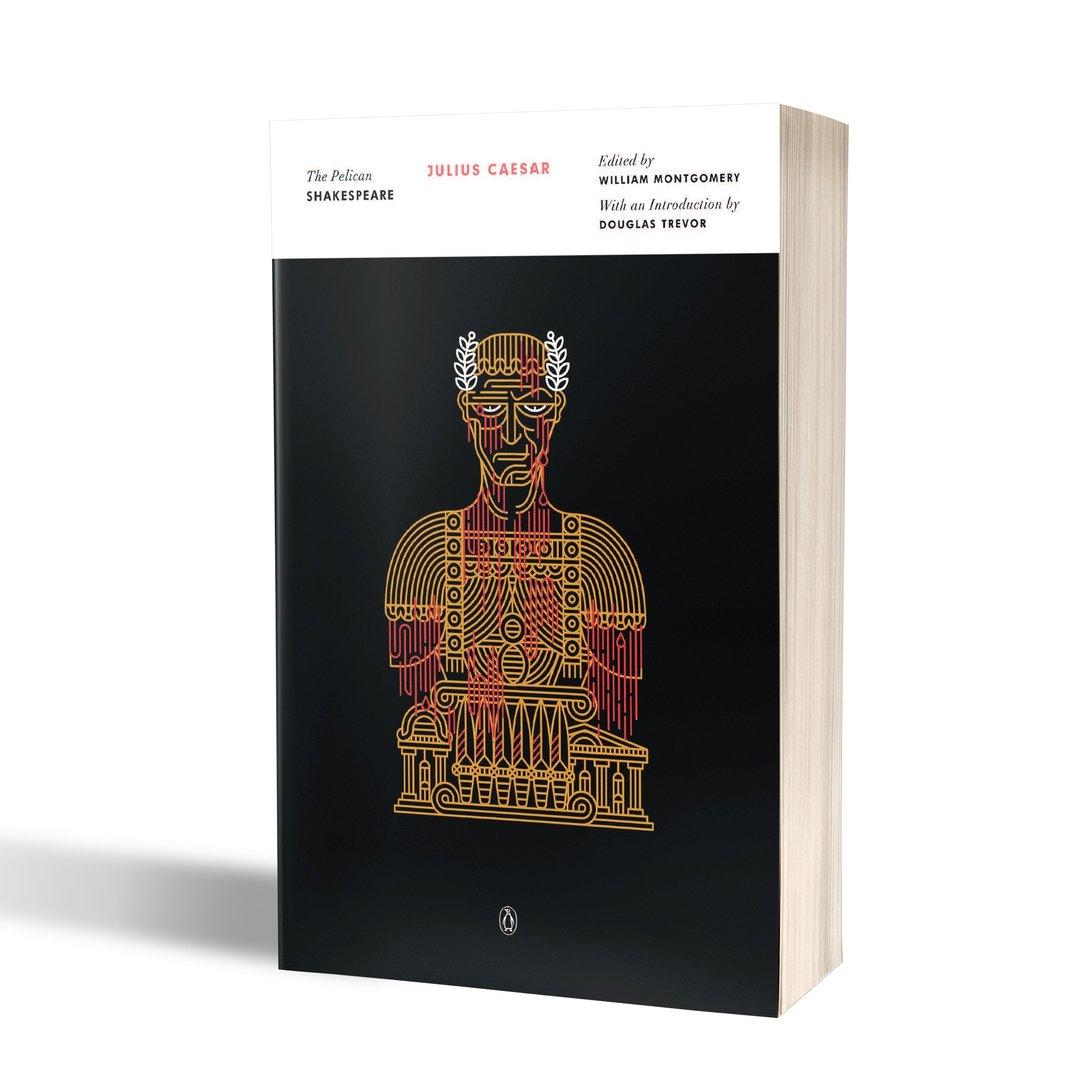
Julius Caesar
ژولیوس سزار
مشخصات
معرفی
معرفی نمایشنامه Julius Caesar (کتاب ژولیوس سزار) - ویلیام شکسپیر
وقتی دشمنی با قدرت، خودش تبدیل به یک فاجعه میشود
نمایشنامهی ژولیوس سزار (Julius Caesar) یکی از آثار تاریخی-تراژیک ویلیام شکسپیر است که در حدود سال ۱۵۹۹ میلادی نوشته شده است. این نمایشنامه به وقایع سیاسی و اجتماعی در روم باستان میپردازد، اما موضوعات آن، قدرت، توطئه، وفاداری و سقوط، هنوز هم کاملاً معاصر و ملموساند. Julius Caesar داستانی است دربارهی مردی قدرتمند، و اطرافیانی که تصمیم میگیرند برای حفظ جمهوری، او را از میان بردارند اما نتیجه، چیزی نیست که انتظارش را داشتند.
نمایشنامه Julius Caesar دربارهی چیست؟
در ابتدای داستان، ژولیوس سزار بهعنوان قهرمان ملی روم وارد شهر میشود. بسیاری از مردم او را تحسین میکنند و برخی نگراناند که سزار بخواهد پادشاه شود. کاسیوس و گروهی از سناتورها، از جمله بروتوس، دوست نزدیک سزار، بر این باورند که باید سزار را بکشند تا از دیکتاتوری جلوگیری شود. بروتوس، با انگیزهای اخلاقی، به توطئه میپیوندد. اما پس از قتل سزار، نظم سیاسی از بین میرود، مردم شورش میکنند، و قاتلان یکییکی با سرنوشت تلخی روبهرو میشوند.
موضوعات اصلی نمایشنامه ژولیوس سزار
- قدرت و فساد: آیا قدرت مطلق همیشه به فساد میانجامد؟
- توطئه و خیانت: تصمیمهایی که با نیت خوب گرفته میشوند، اما به نتایج بد منتهی میشوند.
- وفاداری و وجدان: وقتی دوستی و میهنپرستی در تضاد قرار میگیرند.
- قدرت کلمات: نقش سخنرانیهای مارک آنتونی و بروتوس در تغییر افکار عمومی.
- سرنوشت و کنترل: آیا ما سرنوشتمان را تعیین میکنیم، یا گرفتار آن هستیم؟
ویلیام شکسپیر (William Shakespeare) نویسندهی کتاب Julius Caesar کیست؟
ویلیام شکسپیر نمایشنامهنویس انگلیسی قرن شانزدهم و هفدهم، نویسندهی آثاری است که هنوز هم در سراسر جهان خوانده و اجرا میشوند. ژولیوس سزار از مجموعه نمایشنامههای تاریخی اوست که در عین روایت گذشته، دربارهی حال و آینده حرف میزنند. در این اثر، شکسپیر اخلاق، سیاست و انسان را در لبهی تصمیمهای خطرناک قرار میدهد.
خرید نمایشنامه Julius Caesar برای چه کسانی مناسب است؟
اگر شما:
- به داستانهای تاریخی با بار سیاسی و اخلاقی علاقهمند هستید
- بهدنبال متنی هستید که موضوعاتی مانند قدرت، وجدان و خیانت را بررسی کند
- از نمایشنامههایی با گفتوگوهای تأثیرگذار و ساختاری منسجم لذت میبرید
ژولیوس سزار انتخابی مناسب برای شما خواهد بود.
خرید نمایشنامه ژولیوس سزار برای چه کسانی مناسب نیست؟
اگر بهدنبال داستانی با پایان خوش، شخصیتهای کاملاً مثبت یا روایت عاشقانه هستید، ممکن است Julius Caesar برایتان خشک یا تراژیک بهنظر برسد. این اثر بیشتر دربارهی پیچیدگیهای سیاسی و مسئولیت تصمیمهاست تا احساسات شخصی.
ناشر نمایشنامه Julius Caesar
Julius Caesar نخستینبار در مجموعهی First Folio در سال ۱۶۲۳ منتشر شد. امروزه نسخههای گوناگونی از آن توسط ناشرانی چون آکسفورد، آردن و کمبریج عرضه میشود. در ایران نیز ترجمههای مختلفی از آن منتشر شده است، از جمله ترجمهی مهدی فروغ، رضا شیرمرز و عبدالحسین نوشین.
افتخارات و محبوبیت نمایشنامه Julius Caesar
- یکی از نمایشنامههای تاریخی مهم شکسپیر
- اجراشده در تئاترهای بزرگ جهان با برداشتهای مدرن و کلاسیک
- دارای سخنرانیهای معروفی چون «دوستان، رومیان، هموطنان...»
- تدریسشده در رشتههای ادبیات، تاریخ و علوم سیاسی
ژولیوس سزار داستانی است دربارهی قدرت، ترس، تصمیمهای سخت، و پیامدهایی که حتی بهترین نیتها هم نمیتوانند از آنها جلوگیری کنند. اگر بهدنبال اثری هستید که تاریخ را با پرسشهای اخلاقی و انسانی پیوند بزند، Julius Caesar انتخابی ماندگار است.
Introduction to the Play Julius Caesar
When opposition to power becomes a tragedy itself
Julius Caesar is one of the historical-tragic plays by William Shakespeare, written around 1599. Though based on real events from ancient Rome, its themes, power, betrayal, loyalty, and downfall, remain highly relevant today. Julius Caesar is a story about a powerful leader, and the people around him who conspire to stop his rise only to discover that the consequences of their actions are far greater than expected.
What is Julius Caesar about?
The play begins with Julius Caesar returning to Rome in triumph. Many citizens celebrate him, but some politicians worry that he intends to become a king. Cassius, along with other senators including Brutus -a close friend of Caesar- decides that Caesar must be killed to preserve the Roman Republic. Brutus joins the conspiracy, believing it is for the good of Rome. But after Caesar’s assassination, political chaos follows. The public turns against the conspirators, and one by one, they face destruction.
Main Themes of Julius Caesar
- Power and corruption: Does absolute power always lead to tyranny?
- Conspiracy and betrayal: Well-intentioned decisions can still bring terrible results.
- Loyalty and conscience: What happens when personal relationships clash with civic duty?
- The power of speech: How public opinion can be shaped through words, especially in the famous speeches of Mark Antony and Brutus.
- Fate and free will: Are we in control of our actions, or does destiny guide us?
Who was William Shakespeare?
William Shakespeare was an English playwright and poet of the 16th and 17th centuries. His works continue to be performed and studied around the world. Julius Caesar is part of his series of history plays that reflect on politics, morality, and the human condition.
Who should read Julius Caesar?
You may enjoy Julius Caesar if:
- You are interested in historical and political drama
- You want a play that explores questions of power, ethics, and public responsibility
- You appreciate rich dialogue and speeches with deep rhetorical power
Who might not enjoy Julius Caesar?
If you're looking for a romantic story, happy ending, or morally clear heroes, Julius Caesar may seem serious or emotionally distant. The play is more focused on political consequences and moral dilemmas than personal relationships.
Publisher and Editions of Julius Caesar
Julius Caesar was first published in the First Folio of 1623. Today, it is available in many scholarly editions from publishers such as Oxford, Arden, and Cambridge. In Iran, notable Persian translations include those by Mehdi Forough, Reza Shirmarz, and Abdolhossein Nushin.
Recognition and Popularity of Julius Caesar
- One of Shakespeare’s key historical tragedies
- Frequently performed in both classical and modern adaptations
- Includes iconic speeches such as “Friends, Romans, countrymen...”
- Studied in literature, history, and political science programs worldwide
Julius Caesar is a powerful reflection on leadership, fear, sacrifice, and the unintended consequences of moral action. If you are looking for a thoughtful, dramatic, and politically charged work, Julius Caesar is a timeless classic worth reading.